
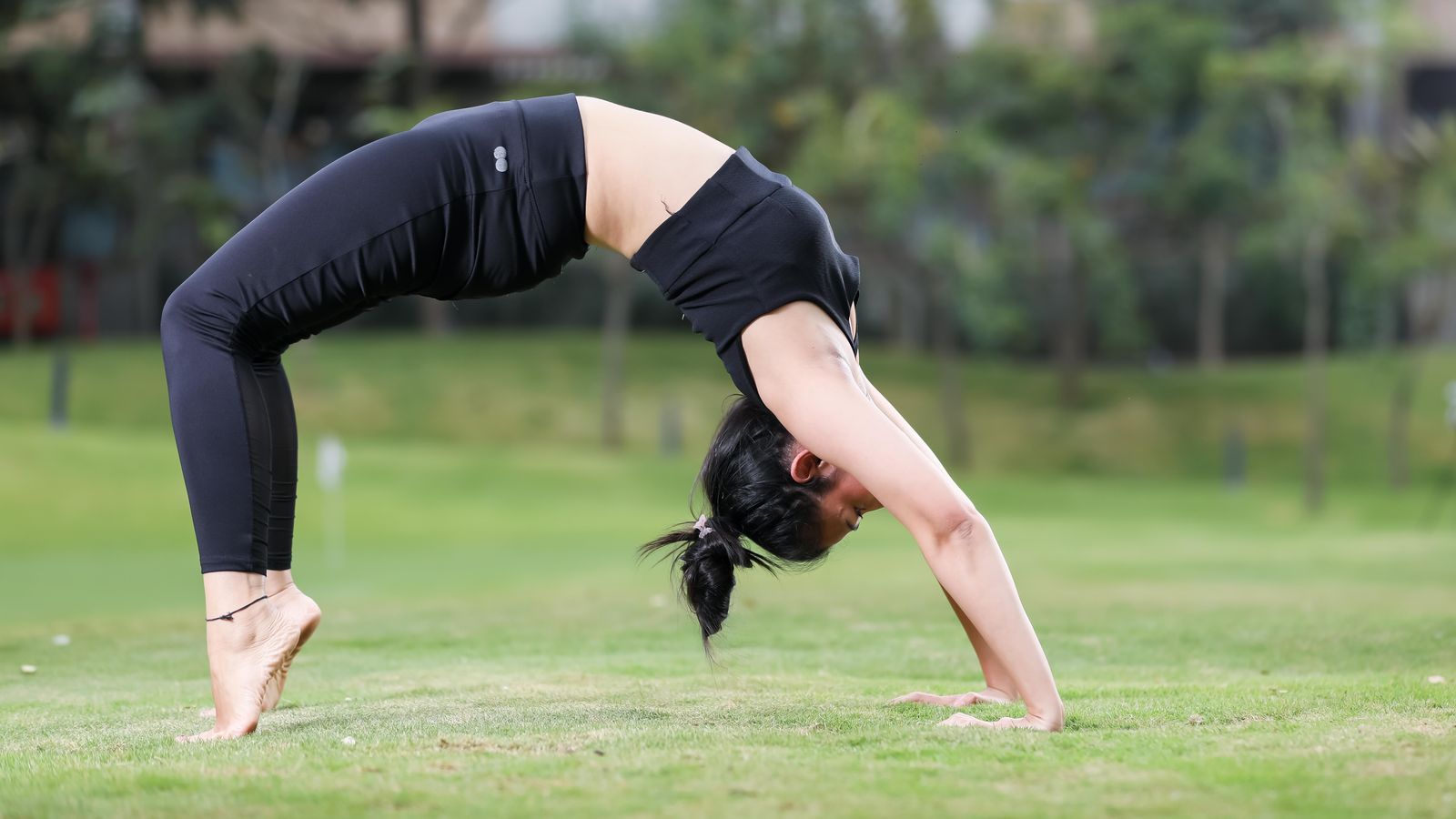
Hip tightness, pelvic pain, urinary leaks, and lower back discomfort may feel like separate problems.
But they can be connected through the way your body moves and manages pressure. Your hips and pelvic floor work together during running, lifting, walking, and everyday movement. When one area lacks mobility, strength, or coordination, another area may compensate.
>>>Book an appointment online to identify what may be contributing to your symptoms.
How Are the Hips and Pelvic Floor Connected?
The pelvic floor forms the base of the pelvis, supporting the bladder, bowel, and reproductive organs while contributing to continence, sexual function, and core stability. The hip muscles surround this same region and help control the position and movement of the pelvis.
The obturator internus is one important connection. This muscle begins inside the pelvis and helps rotate and stabilize the hip. It also shares a fascial connection with the levator ani, one of the major pelvic floor muscles. Anatomical researchsuggests that movement of the obturator internus may influence pelvic floor support through this shared tissue connection.
This does not mean every pelvic floor symptom is caused by tight hips. It does mean hip mobility and strength deserve consideration during a complete pelvic health assessment.
Signs Your Hips May Be Influencing Pelvic Function
Hip limitations can affect people differently. Possible signs include:
- Pelvic pain that changes with sitting, squatting, running, or rotating
- Urinary leakage during jumping, lifting, or other high-impact activities
- Pelvic pressure or heaviness that increases during exercise
- Difficulty reaching depth in a squat without the lower back or pelvis compensating
- Recurring hip, groin, lower back, or sacroiliac discomfort
- Uneven movement or strength between the right and left sides
These symptoms can also have medical or structural causes. We do not assume that improving hip mobility alone will resolve them. Our physical therapists assess the full pattern before recommending treatment.
What Happens When Hip Mobility Is Limited?
When a hip cannot comfortably move through the range required for an activity, your body often finds another way to complete the task. The pelvis may rotate, the lower back may move excessively, or the knees may absorb additional stress.
During a squat, limited hip or ankle motion may change how you position your trunk and pelvis. During running, reduced hip extension or control may alter how you accept and transfer force. These adaptations are not automatically harmful, but they can become less efficient or aggravate symptoms when repeated under high loads.
Mobility is also more than flexibility. You need enough range to reach a position and enough strength to control it. Stretching may provide temporary relief, but lasting progress usually requires active movement and progressive strengthening.
Why Hip Strength Matters Too
The hip abductors and external rotators help stabilize the pelvis during walking, running, landing, and single-leg movements. When these muscles are not contributing effectively, the pelvic floor and surrounding structures may need to manage pressure differently.
A case-control study found that women with urinary urgency and frequency symptoms had weaker hip external rotator and abductor muscles than participants without those symptoms. However, the study showed an association rather than proving that hip weakness caused the bladder symptoms.
Another clinical trial found that combining pelvic floor and hip muscle strengthening produced greater improvements in the frequency of daily urine loss during treatment than pelvic floor strengthening alone. Results were not superior across every measured outcome, reinforcing the need for individualized care.
How We Address the Hip–Pelvic Floor Connection
Depending on your assessment, your plan may include:
- Hip mobility exercises selected for your specific restrictions
- Hip and glute strengthening for better pelvic control
- Breathing and abdominal pressure coordination
- Pelvic floor relaxation, strengthening, or endurance training
- Manual therapy for relevant muscular and tissue restrictions
- Progressive preparation for running, jumping, lifting, or sport
Our Pelvic Health Therapy does not stop at Kegels or isolated stretching. We examine how your hips, spine, core, breathing, and pelvic floor work together under the demands of your actual lifestyle.
Why This Connection Matters for Active Adults
Runners need the hips and pelvis to control repeated forces through thousands of strides. Lifters need mobility and stability to manage pressure under a loaded squat or deadlift. Postpartum athletes may need to rebuild hip and pelvic floor capacity before returning to impact.
Our goal is not to create perfect movement. We help you develop the mobility, strength, and coordination needed to perform your activities without leaks, pain, or pressure controlling your choices.
Move With Greater Strength and Confidence
Hip tightness and pelvic floor symptoms should not keep you from training or enjoying an active life. Our team helps patients in Miami, FL identify root contributors and progress from foundational movement to meaningful activity.
Call (305) 982-7595 or book an appointment online to begin a personalized plan for moving, lifting, and exercising with greater confidence.
